
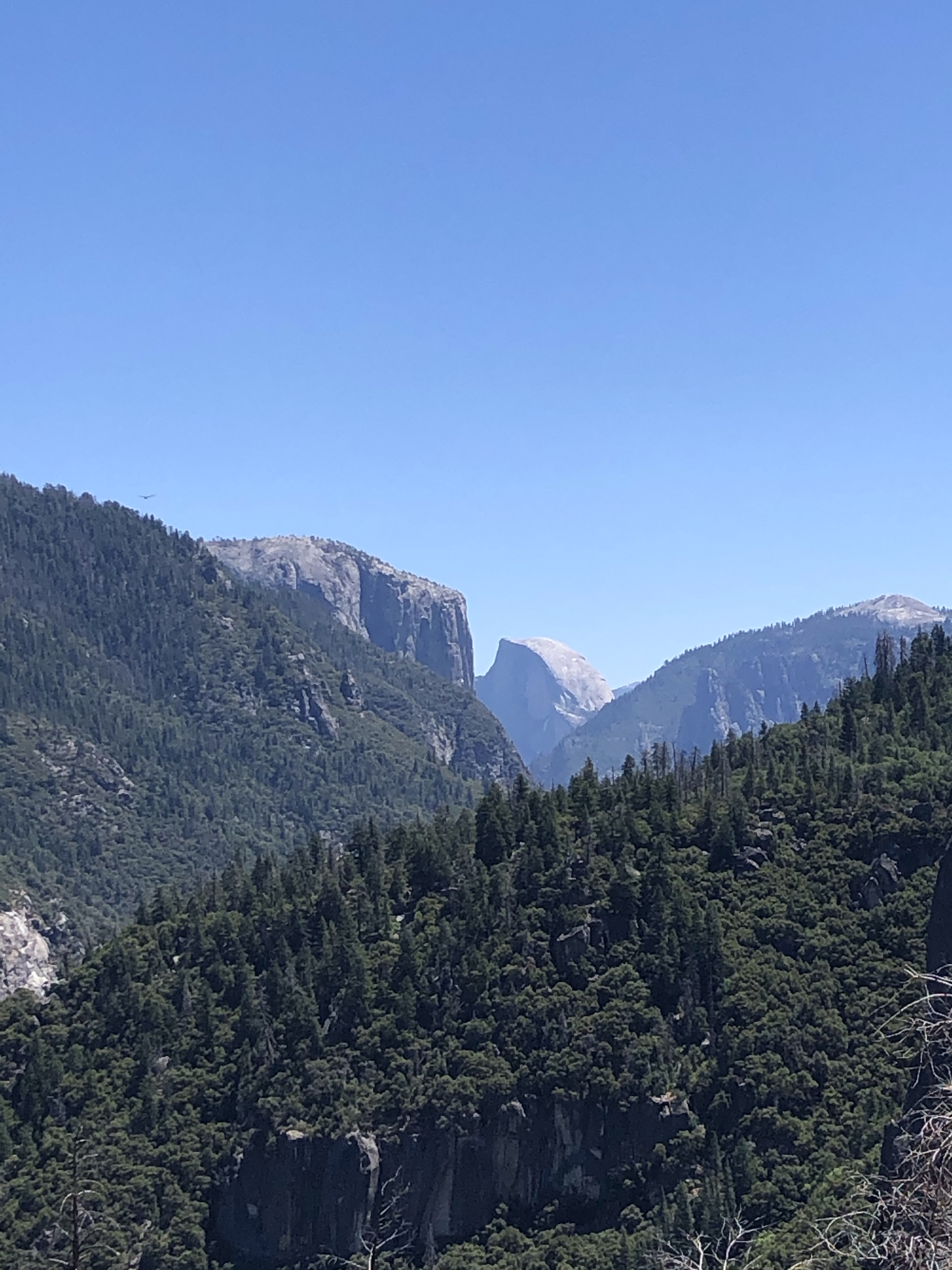
Sacredness of Nature: Excerpt from the Heretical Handbook to Reclaiming Reverence.
The sacredness in nature often reveals itself when we slow down enough to notice it. This softening of ego finds its most faithful companion outdoors, where the wind, water, and trees invite us into relationship rather than domination. While many Western religious traditions have emphasized submission—of self to God, of woman to man, of nature to humanity—Eastern and Indigenous traditions often encourage us to see the natural world as a partner, teacher, and sacred presence.
Shinto, for example, teaches reverence for kami. Kami can seem like a mysterious word, but it simply refers to the sacred presence or spirit recognized in something. It isn’t about believing a rock or tree has a mind like ours. It’s about acknowledging that anything can hold spiritual significance when it’s treated with care and reverence.
Kami can be found in many forms: a special place in nature like a waterfall or ancient tree, a carefully tended rock or shrine, even an ancestral site that carries memory and meaning. It might be a grand mountain, or just a quiet corner of land your family has cherished for generations. What unites these is not some inherent magic, but the human choice to honor them.
When you choose a spot—a clearing in the woods, a favorite tree, a quiet place in the yard—and you sit there to contemplate, meditate, pray, or simply be present, you begin to make it sacred. Doing this once is meaningful. Doing it over and over deepens that sacredness. Over time, your repeated care and reverence give it weight and spirit. In Shinto terms, that’s how it becomes kami.
It isn’t magic—it’s relationship. It’s the slow, mindful work of honoring a place enough that it can hold your prayers, your gratitude, your questions. Your attention gives it spirit.
You don’t have to become a monk to find this connection. You just need to go outside. Forest bathing—or shinrin-yoku—isn’t about exercise or naming plants. It’s about presence. Slow down. Let your senses awaken. Listen to birdsong. Smell the soil. Touch the bark.
Nature doesn’t demand you worship. It invites you to remember.
When you make a place sacred through your steady, caring attention, it becomes a space of reflection and belonging. It’s a way of saying: This matters. I will honor it. I will let it teach me how to be more human.
Sacredness in nature isn’t handed down from on high in rigid hierarchies. It grows from relationship—from our willingness to see the world not as something to dominate, but as something to cherish and learn from.
Leave a Reply